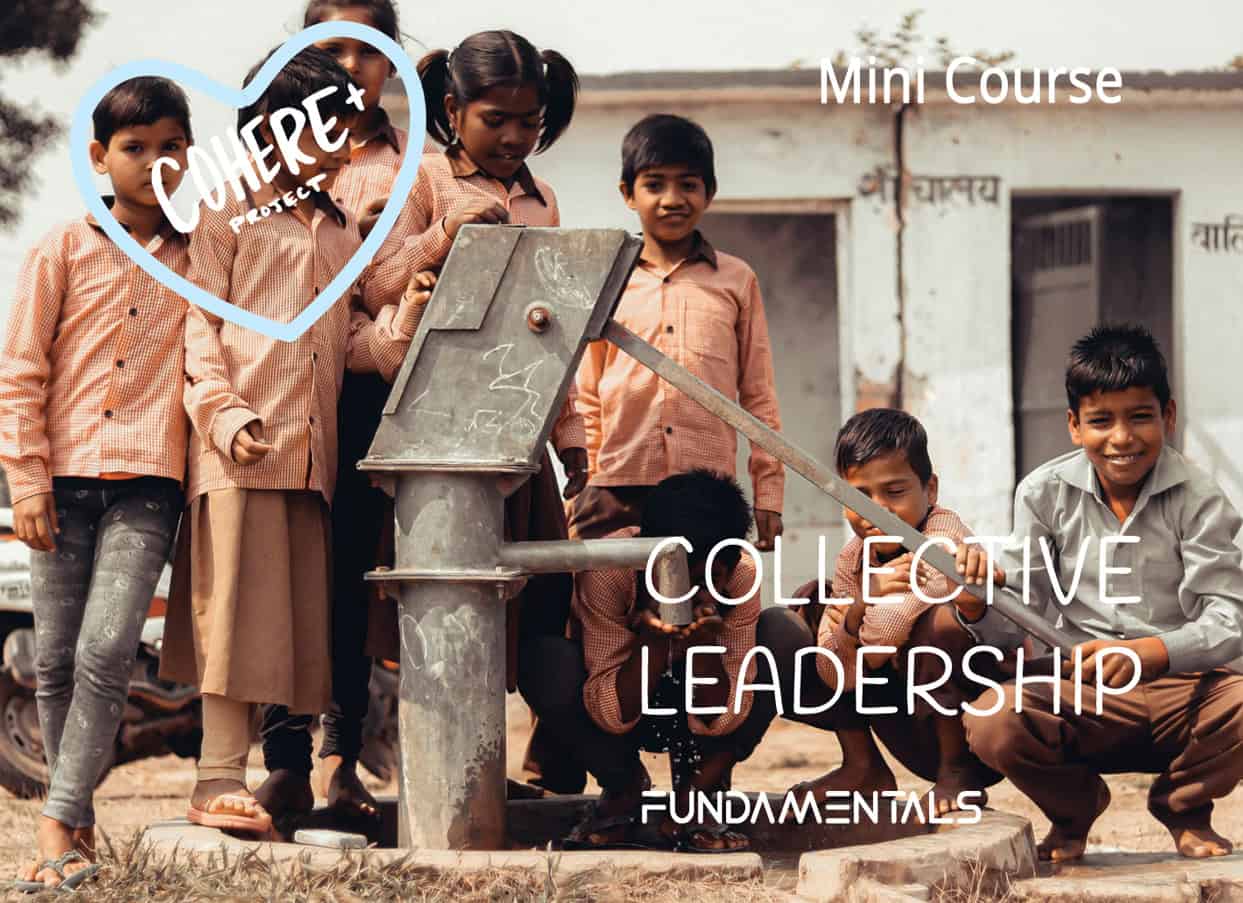

This is a fundamental course in the Collective Voice Series.
This lesson introduces the idea of collective leadership—how groups can sense, decide, and act together in a way that feels more alive, human, and effective.
We’ll explore why many of the current organizing structures fall short, and what becomes possible when organizations move toward self-management, wholeness, and evolutionary purpose. You’ll see examples of how teams can make decisions closer to the work, show up more authentically, and navigate complexity by learning and adapting. We’ll look at common challenges that show up in self-managing systems and some simple practices to bring more clarity, balance, and flow.
Finally we’ll look at some existing governance models that support distributed decision-making. These examples give you a sense of the many ways groups can organize themselves so people have real agency and shared ownership.
By the end, you’ll have a clearer picture of what collective leadership looks like in practice and how it can help teams become more resilient, engaged, and purpose-driven.